Punctures Fixed Without Full Replacement
Flat Tire Repairs in Philadelphia for tires damaged by nails, screws, and road debris common to city streets
A tire losing air from a puncture in the tread area can often be repaired instead of replaced, saving the cost of new rubber when the remaining tread is still serviceable. Tony's Tires diagnoses and repairs flats caused by nails, screws, or sharp debris embedded in the tread, using plug or patch methods depending on puncture location and size. Drivers in Philadelphia, Center City Philadelphia, South Philadelphia, and North Philadelphia deal with construction zones and deteriorating pavement that frequently cause punctures, making fast repair access critical to avoiding extended downtime.
Repair involves removing the tire from the wheel, locating the puncture, and applying a patch to the inner liner or inserting a plug through the tread, depending on whether the damage is in a repairable zone. Sidewall punctures and large tears cannot be safely repaired and require replacement to prevent blowouts.
Bring the vehicle in as soon as air loss is noticed to determine whether repair or replacement is the appropriate solution.
How Flat Tire Repair Addresses Punctures
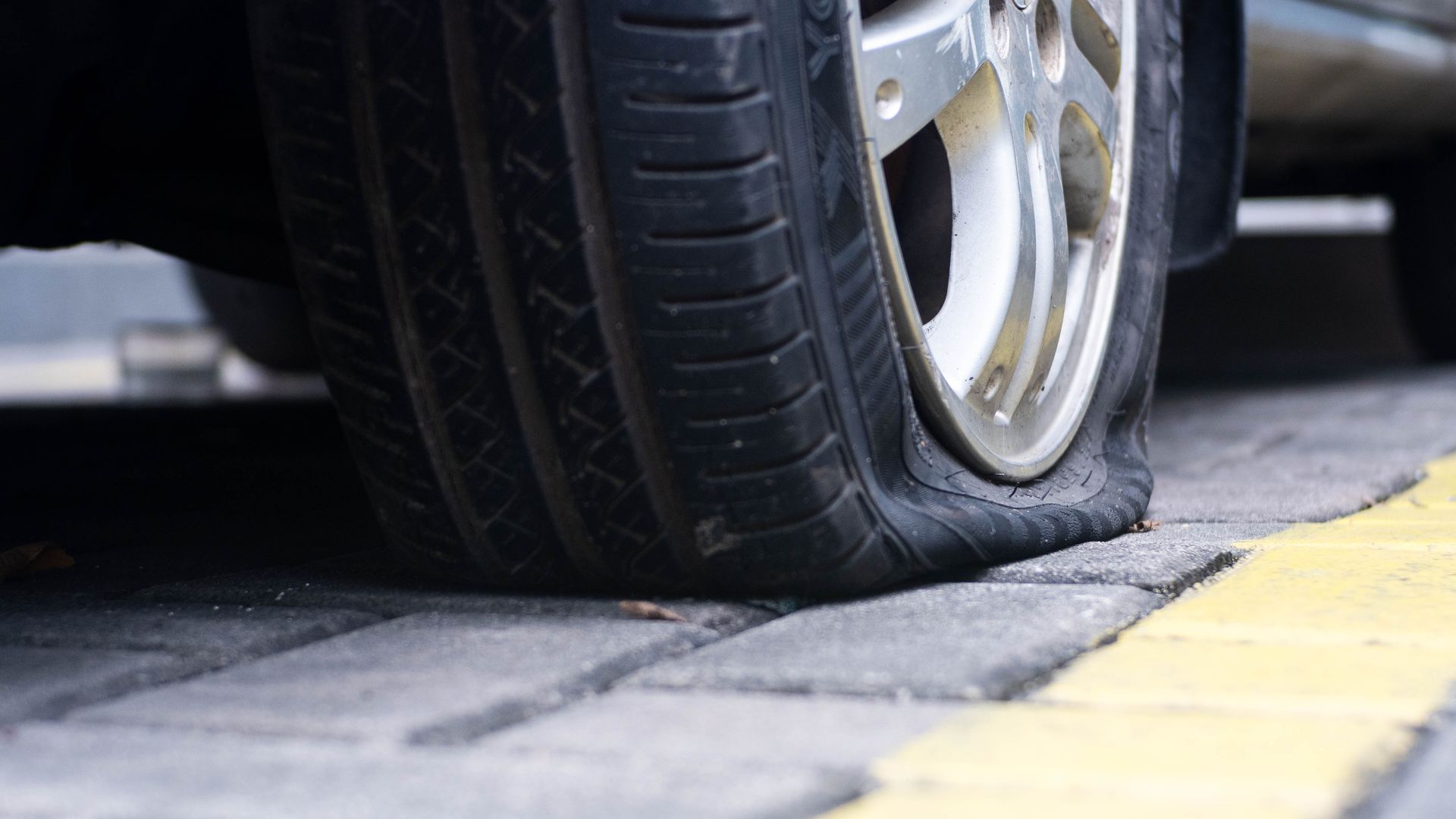
The repair process begins with removing the tire from the rim and inspecting the puncture location—damage within the central tread area and smaller than a quarter-inch diameter is typically repairable, while shoulder or sidewall punctures compromise structural integrity and cannot be patched safely. A combination plug-patch applied from the inside seals the hole and reinforces the damaged area, preventing air loss and maintaining tire strength under load.
After repair, the tire holds air pressure consistently and performs identically to its pre-puncture state, with no vibration or pull during driving. The fix extends the tire's usable life by thousands of miles, avoiding premature replacement when tread depth is still adequate for safe operation in Philadelphia's wet and dry conditions.
Same-day service means minimal wait time, with walk-in availability eliminating the need to schedule an appointment days in advance. Honest assessment determines whether repair is viable or if tire damage requires replacement for safety reasons.
Answers to Frequent Service Questions
Drivers facing flat tires often need clarity on whether repair is possible and how long the fix will last under daily driving conditions.
What types of tire damage can be repaired versus requiring replacement?
Punctures in the tread area smaller than a quarter-inch and located in the central two-thirds of the tread width are repairable, while sidewall damage, large tears, or punctures near the shoulder compromise tire structure and must be replaced.
How long does a properly completed repair last?
A plug-patch repair applied to the inner liner remains effective for the remaining life of the tire, typically lasting until tread wear necessitates replacement—repairs do not create weak points that fail prematurely under normal driving conditions.
Why does the repair method matter for long-term reliability?
Plug-only repairs applied from the outside without removing the tire can allow moisture to penetrate the belts, causing internal corrosion, while a combination plug-patch seals both the tread and inner liner to prevent air and water intrusion.
When should I bring a tire in for repair after noticing air loss?
Driving on a significantly underinflated tire causes sidewall flexing that generates heat and damages internal structure, so tires should be evaluated as soon as pressure loss is detected to prevent additional harm that makes repair impossible.
What road hazards in Philadelphia most commonly cause repairable punctures?
Construction debris including nails and screws, potholes with exposed rebar or sharp edges, and metal fragments from vehicle breakdowns create the majority of punctures seen in urban driving throughout Philadelphia's varied neighborhoods.
Tony's Tires completes flat tire repairs the same day with no appointment required, providing transparent recommendations on whether repair is safe or replacement is necessary. Stop by when you notice air loss or handling changes that suggest tire damage.